The age between dependence and a smartphone
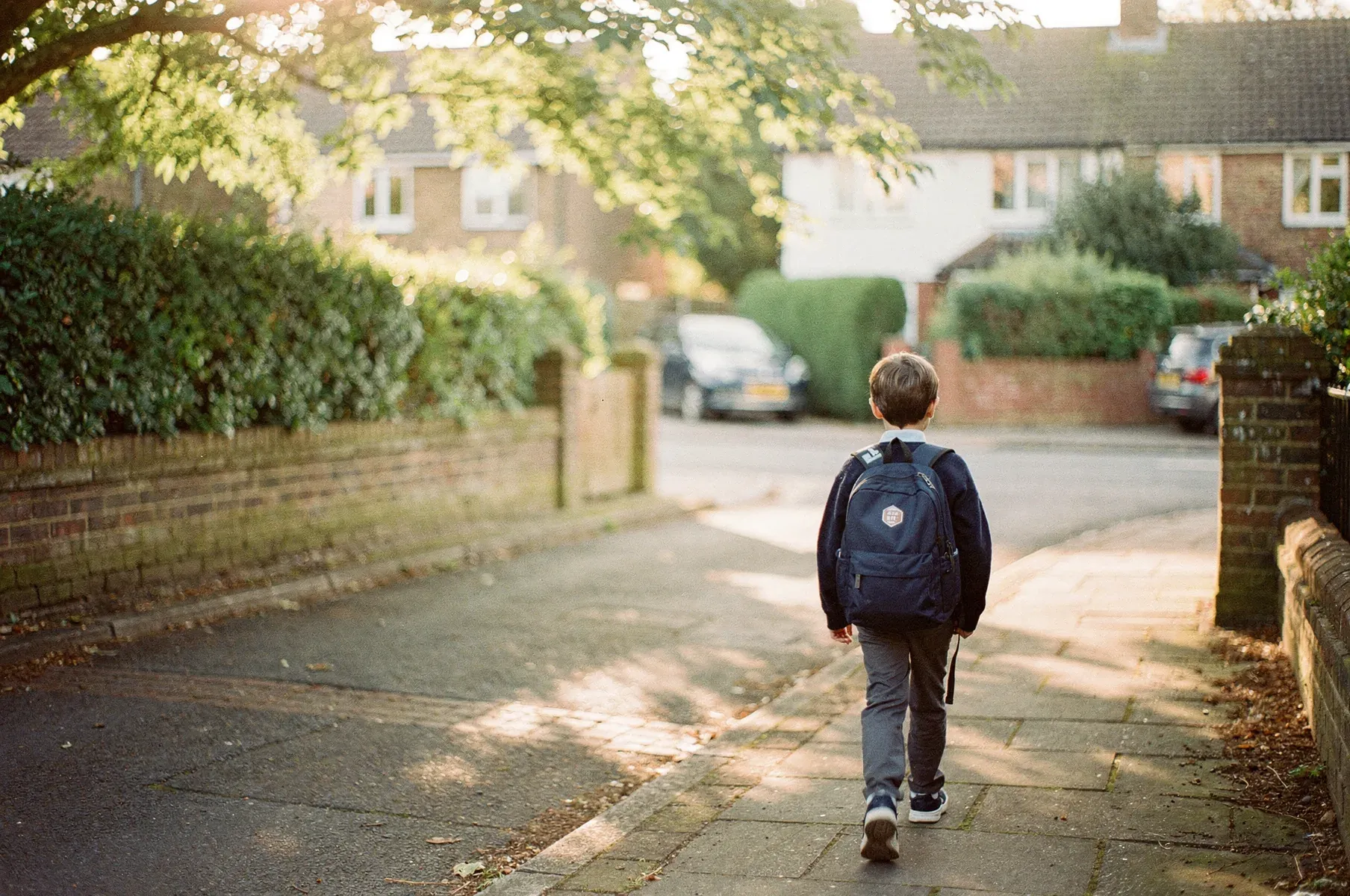
Somewhere around eight or nine, the first small steps of independence start to happen. Walking home from school. Going to the corner shop on their own. Being at the house for an hour after school before a parent gets back. The moments are small, but they’re real, and they’re new.
You want them to be able to reach you. You also probably don’t want to hand them a phone with the open internet, social media, and a contact list that includes everyone who’s ever sent them a message.
Shoal is built for the gap between those two things.
What a parent gets
A device — usually an old phone, possibly without a SIM — that does almost nothing except message the people you’ve approved. That list includes you, the other parent, grandparents, an aunt or uncle, the older sibling who can come and check. It doesn’t include strangers, and it doesn’t include the open internet by accident.
When your child texts “I’m at the corner of the road,” that message arrives on your phone within seconds. When you ask “where are you?”, they can reply. The reach-out works in both directions, and the contact list is short enough that nothing else gets in the way.
What a child gets
A way to tell you they got home safely. A way to ask whether they can stay at a friend’s house for another half hour. A way to send a “Mum, the freezer is making a weird noise” mid-afternoon.
They get the dignity of being trusted to walk home, with the safety net of a real way to reach you. They don’t have to navigate a crowded inbox, work around a notification full of group chats, or learn to ignore a feed they shouldn’t be reading yet.
What this isn’t
It isn’t a tracking app. Shoal doesn’t broadcast your child’s location, ping you when they leave a geofence, or maintain a log of where they’ve been. There are products for that, and many parents use them. Shoal is not one of them. The only signal it gives you is the one your child chooses to send.
When it grows with them
The same setup that works for an eight-year-old walking home from school works at twelve, when their friends list grows. It works at fourteen, when they start going further afield. The only thing that changes is the contact list and the schedule — both decisions you make, both decisions that can change.